One Closet, Many Selves: The Rise of the Persona Wardrobe
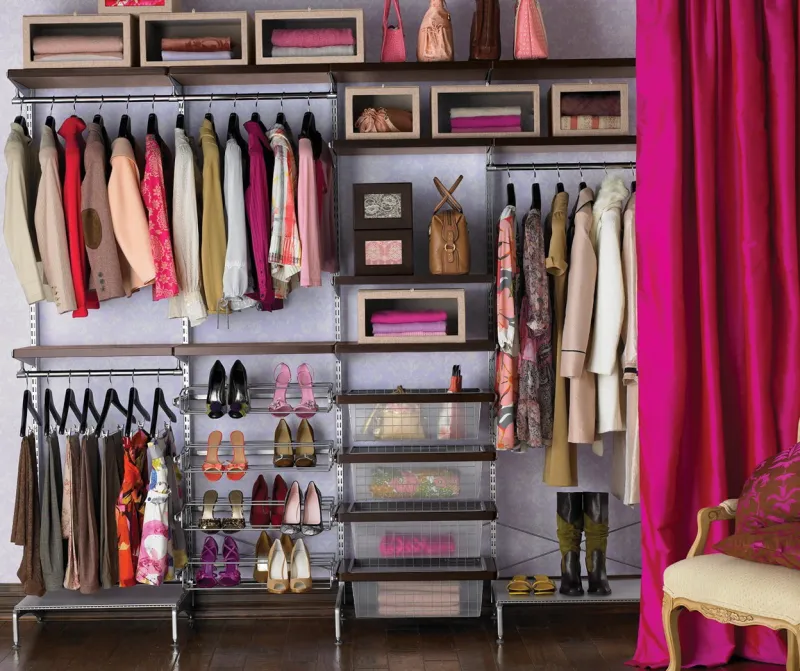
Photo: woman organizing diverse outfits wardrobe different styles, via bellonda.com
There's a moment happening in closets across America right now, and it looks something like this: a rack of clothes that technically belongs to one person but reads like a costume department for a very busy actress. The crisp poplin shirts that exist solely for Tuesday client calls. The sequined mini that has never seen daylight before 8 p.m. The $140 hoodie that is, allegedly, 'activewear.'
Welcome to the persona wardrobe — the most quietly radical shift in how Americans get dressed in a generation.
Your Closet Is Now a Roster, Not a Collection
For decades, the gold standard of 'good style' was cohesion. Capsule wardrobes. A uniform. The French woman and her five flawless basics. But somewhere between the pandemic's sweatpants era and the great return of Everything Everywhere, that logic collapsed — and honestly, nobody misses it.
Stylist Marisol Vega, who works with clients in LA and Austin, sees it constantly. 'My clients don't ask for a wardrobe anymore. They ask for a work self, a weekend self, a date-night self. Sometimes they name them. I had a client call her going-out persona "Roxanne." Roxanne has her own budget line.'
It tracks with the shopping data, too. Occasion-based search — think 'wedding guest outfit' or 'festival fits' — has exploded, while generic category browsing has softened. Americans are increasingly shopping for a moment, not a life.
The Zoom Top Is a Real Garment With a Real Job
Let's be honest about the most famous member of the persona wardrobe: the Zoom top. The tailored blouse or knit polo that lives on the back of a desk chair, paired — always — with sweatpants the camera will never see. It's not laziness. It's choreography.
'Context dressing used to mean dressing for the office versus the weekend,' says Vega. 'Now it's dressing for the frame. What does the camera see? What does the room see? What does the group chat see?' Each context has its own lighting, its own audience, its own dress code — and the persona wardrobe is simply the infrastructure that keeps up.
The gym-luxe uniform works the same way. Nobody's fooling anyone about the workout; the Lululemon-and-Alo stack is a persona that signals wellness, discipline, and a certain zip code, whether or not a single squat happens.
Why We're Dressing in Characters Now
A few forces collided to make this the default mode:
- The collapse of one-size-fits-all life scripts. Remote work, side hustles, and hybrid everything mean most Americans live multiple lives in a single day.
- Social media as costume department. When every event might become content, the outfit is doing double duty — for the room and the feed.
- The joy of escape. After years of doom-scrolling and dress-code ambiguity, putting on a persona is cheap, legal fun. Festival fashion isn't about the festival. It's about being someone for a weekend.
And here's the progressive twist: persona dressing can be genuinely liberating. The old rules said your wardrobe should reflect your 'authentic self,' singular and consistent. The new reality is that authenticity can be plural. The version of you at brunch and the version at a warehouse rave are both real. Neither is a costume, exactly. They're just different lenses on the same person.
The Catch: Personas Cost Money
There's a less shiny side to this trend. Compartmentalized wardrobes can become an excuse for overconsumption — every new context a new haul, every persona its own checkout cart. The 'Roxanne budget' can balloon fast.
The fix isn't abandoning the persona wardrobe; it's shopping it intentionally. Buy pieces that moonlight across personas — the slip skirt that does gallery openings and Tuesday office calls. Let one persona borrow from another. The best-dressed Americans right now aren't the ones with the biggest cast of characters. They're the ones who cast well.
So go ahead: name your alter ego. Give her a jacket. Just make sure she earns her spot on the rack.