The Suit Is Dead. Here's What the New American Workforce Wears Instead.

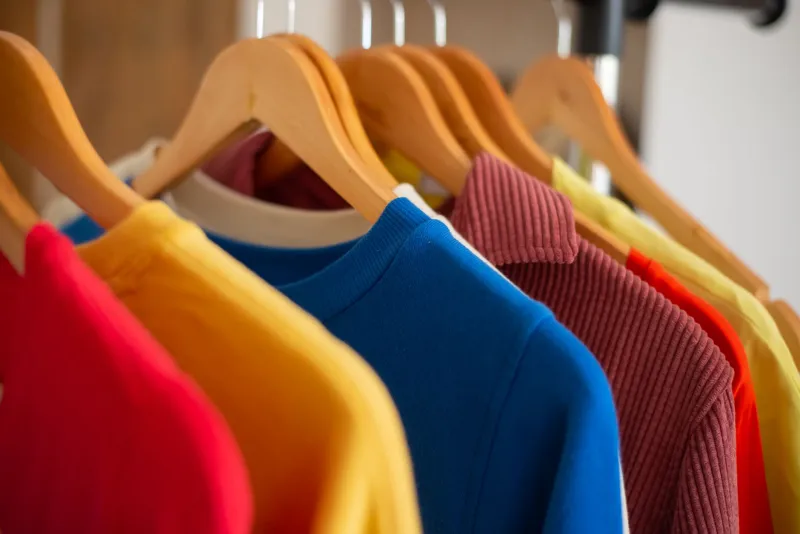
Photo: freelancer working laptop coffee shop stylish casual outfit, via img.freepik.com
The power suit was built for a world that no longer exists. It was armor for a single stage: the office, the meeting, the handshake. It said 'I belong here' to a room you entered at 9 and left at 5.
But if you're a freelancer, a creator, a consultant with four income streams and three calendars, there is no 'here.' Your Tuesday might open with a client Zoom in your kitchen, roll into a co-working session, pivot to a podcast recording, and end with drinks with someone who might become a client or might just become a friend. The suit can't follow you through all of that. Frankly, nothing in your dad's career-advice wardrobe can.
So let's rebuild the playbook from scratch.
Rule 1: Dress for the Best Camera in the Room
The new professional dress code isn't written by HR. It's written by cameras. Every context you move through has one — the laptop, the ring light, the podcast studio's four-camera setup — and your outfit has to survive all of them.
That means: solid mid-tones over busy patterns (which strobe on video), structured shoulders that read as 'put together' even at 1080p, and nothing that only works in person. If it looks good slightly compressed, it looks great in real life.
Rule 2: Build a Capsule Around Transitions, Not Occasions
The old capsule wardrobe was built around occasions: work, weekend, evening. The gig-economy capsule is built around transitions — the moments you move between contexts without stopping at home.
The core stack:
- A structured knit blazer that reads executive on Zoom and relaxed over a tee at the coffee shop
- Dark, tailored trousers with actual stretch — the bridge between 'client meeting' and 'airport gate B22'
- One statement layer — a great jacket that does the talking when you're the one being pitched
- Elevated sneakers, broken in but spotless — the unofficial footwear of every creative director in America
- A monochrome base you can add one thing to and change the entire register
The goal isn't versatility for its own sake. It's that you never have to think about it. Cognitive load is the enemy of a person juggling five clients.
Rule 3: Signal Your Craft, Not Your Rank
The suit answered the question 'what's your title?' The new wardrobe answers 'what do you do?' A videographer looks like someone who can haul gear and still take a pitch call. A designer's outfit demonstrates taste without trying. Your clothes are now a portfolio piece — often the first one a client sees.
This is why 'gym-luxe' became the unofficial uniform of the tech-adjacent freelance class: it signals discipline and flexibility at once. It's not lazy. It's a résumé.
Rule 4: Own One 'Yes' Outfit
Every multi-hyphenate needs a single outfit that's always clean, always fits, always camera-ready, and can be on your body in four minutes. The gig economy doesn't schedule emergencies; it schedules 'can you hop on a call?' at 4:47 p.m. Your 'yes' outfit is how you say yes.
The Bottom Line
'Dress for the job you want' assumed jobs were destinations. Today they're portfolios — fluid, stacked, self-authored. The new power move isn't a suit. It's a wardrobe flexible enough to say yes to everything and sharp enough that nobody questions whether you belong in the room. Or on the call. Or on the feed.
The suit had a great run. The rest of us have work to do — in several places, at once.