Four Seasons in One Week: The Closet Gets a Climate Upgrade
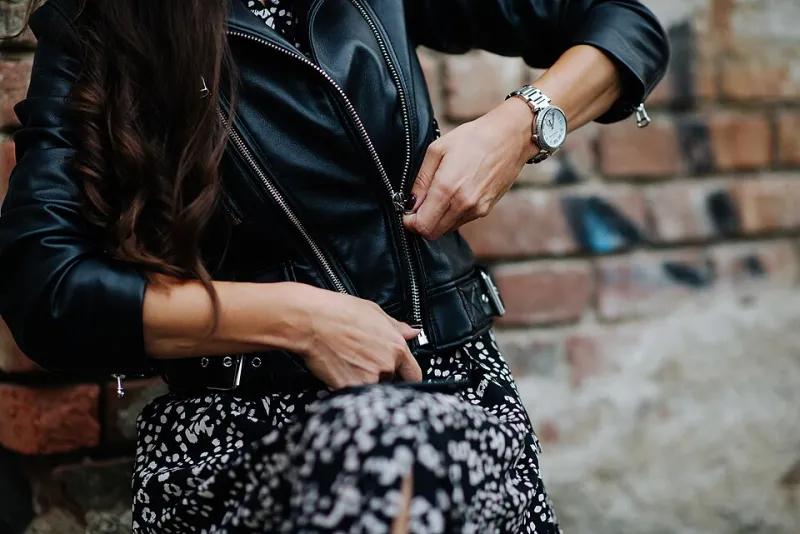
Photo: Shixart1985, CC BY 2.0, via Wikimedia Commons
Ask anyone in Texas about their March and they'll laugh. Freeze warnings on Monday, pool weather by Friday. Ask folks in the Northeast about last winter and they'll describe a slushy rollercoaster that made their puffer coat useless by New Year's. The four-season wardrobe — that tidy American tradition of rotating closets twice a year — is quietly breaking down.
And fashion, slowly but surely, is responding.
The Death of the 'Season'
For decades, the fashion calendar ran on fiction: Fall collections dropped in August, resort wear arrived in November, and everyone pretended the weather would cooperate. It rarely did — but now the gap between calendar and climate has become impossible to ignore.
Retail data backs this up. Traditional seasonal sales spikes are flattening while demand for what the industry calls trans-seasonal pieces keeps climbing. Shoppers aren't buying a winter coat anymore; they're buying a coat that handles 15 degrees and 55 in the same week, because that's just... the week.
"We stopped designing for a season and started designing for a range," one Pacific Northwest-based outerwear designer told us. "Our customer might need wind protection in the morning and ventilation by lunch. That's not a niche anymore. That's Tuesday."
Fabric Labs Are the New Front Row
The real action isn't happening on runways — it's happening in textile labs. A wave of material innovation is making clothes that were impossible five years ago feel routine:
- Waterproof leather. Treated leathers that shrug off a downpour without the plastic raincoat sacrifice. Several emerging labels are building entire identities around it.
- Phase-change linings. Materials originally developed for athletic gear and even aerospace that absorb heat when you're warm and release it when you cool down. Basically a thermostat sewn into your jacket.
- Ventilated technical weaves. Breathable fabrics that look like refined wool or cotton but dump heat like mesh — perfect for that 70-degree December afternoon.
- Modular construction. Zip-off linings, detachable hoods, and convertible layers that let one garment cover a 40-degree swing.
This is where Fashion Forward readers should pay attention: the brands winning this moment aren't the ones with the biggest marketing budgets. They're the ones treating climate adaptability as a design brief, not an afterthought.
What This Means for Your Closet
Here's the practical translation. If you're rebuilding your wardrobe for weather that won't commit, prioritize:
Layers over statement coats. One mega-puffer can't compete with a smart three-layer system that adapts all day.
Breathability as a luxury. The next status fabric isn't the shiniest — it's the one that keeps you dry on a humid commute and doesn't turn into a sauna.
Neutral technicals. Waterproof no longer means looking like a hiking billboard. Matte finishes, tailored cuts, and muted palettes mean your rain gear can go to dinner.
Fewer, smarter pieces. A wardrobe built for volatility is naturally smaller. When one jacket covers November through April, you need fewer jackets — which, conveniently, is also the sustainable move.
The Bigger Picture
There's an irony here worth sitting with: fashion, an industry built on predicting what's next, got blindsided by the most predictable trend of all. Climate uncertainty isn't a microtrend. It's the operating condition for everything designed from here on out.
The shoppers getting it right aren't panic-buying. They're just asking a different question at checkout. Not "is this cute for fall?" but "will this work in October, and also in the weird February we're probably going to get?"
The weather won't sit still. Your closet doesn't have to be a victim of that — it can be ready for it.